
Planning
Remodeling an Older Bellevue, WA Home: What to Check First
Planning to remodel a 1950s–70s Bellevue home? See the asbestos, lead, wiring and plumbing checks to do first, the WA rules, and the order to plan in.
By Shawn, True Level Remodeling阅读中文版
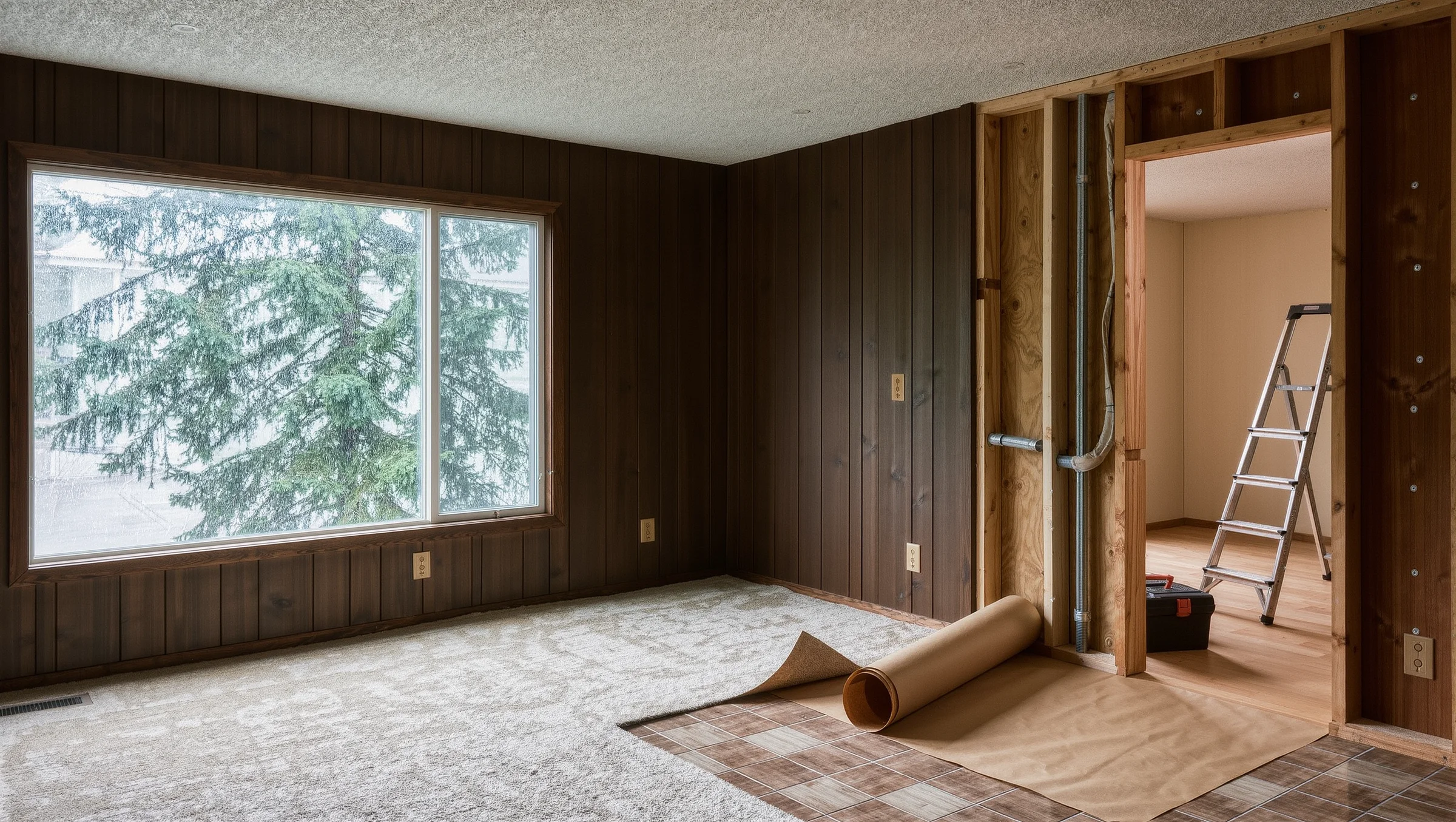
Before you design a remodel for a house built in the 1950s, ’60s or ’70s, check four things: asbestos, lead paint, the electrical system and the plumbing. In Washington, the asbestos check is a legal requirement before renovation work. The other three decide what the project will really cost, so they belong at the start of planning, not halfway through demolition.
The rainy season is a good time to do this. Testing and design happen indoors, and the results are in hand when the building season starts.
What should you check before remodeling an older home?
Each of these can change the scope, the budget or the schedule once walls and floors come open:
| Check | Why it matters | Who usually does it |
|---|---|---|
| Asbestos | Required before renovation in Washington; common in older ceilings, floors and joint compound | Owner-occupant or a certified building inspector (see below) |
| Lead paint (homes built before 1978) | Sanding, scraping and demolition create lead dust; paid contractors must follow lead-safe rules | Certified lead inspector or risk assessor; certified renovation firm for the work |
| Electrical panel and wiring | Older panels and wiring may not handle new kitchens, heat pumps or induction cooking | Licensed electrician |
| Water supply and drains | Old galvanized pipe and cast-iron drains corrode from the inside | Plumber; camera inspection of the sewer line |
| Hidden water damage and framing | Rot near windows, bathrooms and the crawlspace; walls you want to remove may carry loads | Contractor; structural engineer when walls come out |
Do you need an asbestos survey before remodeling in Bellevue?
Yes. The Washington State Department of Labor & Industries puts it plainly: “Whether you’re a home owner doing your own work or a contractor, you must identify asbestos before starting any renovation, remodeling, repair, maintenance, or demolition project” (L&I, Asbestos, checked November 2026).
The Puget Sound Clean Air Agency, the regional air agency for King County, sets out who can do the survey. “If you live in and own the single family house to be remodeled (not demolished), you may conduct your own survey.” In all other situations, including rentals, condos and demolition, “you must hire an AHERA-certified building inspector” (Puget Sound Clean Air Agency, Homeowner Renovation, checked November 2026). Even when you’re allowed to do it yourself, a certified inspector is usually the faster and safer route, and many contractors will ask for the report before they start.
Materials worth testing in homes of this era include textured “popcorn” ceilings, vinyl floor tiles and sheet flooring and their adhesive, drywall joint compound and texture, duct and pipe insulation, and some siding.
If asbestos is found, the agency lists three choices: leave it alone if the remodel won’t disturb it, repair or encapsulate it in place, or remove it. Removal has its own notification rules. The agency “strongly encourage[s]” homeowners to use a certified asbestos abatement contractor.
What about lead paint in a home built before 1978?
Assume it may be there. The U.S. EPA notes that about three-quarters of U.S. homes built before 1978 still contain some lead-based paint, and that any renovation in such a home “can easily create dangerous lead dust” (EPA, Lead Renovation, Repair and Painting Program, checked November 2026).
The federal Renovation, Repair and Painting (RRP) rule puts the obligation on the contractor, not on you. EPA says the rule “does not impose requirements on homeowners,” but a hired firm that isn’t certified and does covered work is in violation (EPA, RRP Rule FAQ). In Washington, firm and individual certification is handled by the Department of Commerce for anyone doing “renovation, repair or painting work on pre-1978 homes” (WA Commerce, RRP, both checked November 2026).
What this means for you: ask any contractor for their firm’s RRP certification before work starts on a pre-1978 house, and expect containment, plastic sheeting and careful cleanup as part of the job.
Is the electrical system ready for a remodel?
Often not without upgrades. A remodel usually adds load: a bigger kitchen, a heat pump, an induction range, an EV charger, more lighting. Before you finalize the design, have a licensed electrician look at:
- The panel: its capacity, whether there is room for new circuits, and its brand. Inspectors often flag some older panel brands, such as Federal Pacific and Zinsco.
- Aluminum branch wiring: used in some homes built from the mid-1960s to the mid-1970s. It needs specific connectors and repairs.
- Ungrounded outlets and old circuits in the rooms you’re remodeling.
Changing the service panel or adding circuits needs an electrical permit in Bellevue. Our Bellevue permit guide has the details.
What plumbing problems hide in older homes?
The pipes you can’t see. Two things are common in houses of this age:
- Galvanized steel water lines, which corrode from the inside. Low water pressure and rusty water are the usual signs. If you’re opening walls anyway, replacing them during the remodel is far easier than later.
- Cast-iron or clay drain and sewer lines, which can crack or fill with roots. A camera inspection of the sewer line is inexpensive compared with digging up a new floor or a finished yard.
What else turns up once the walls are open?
Some problems only show up during demolition, which is why a contingency budget matters:
- Rot around old windows, under bathrooms and at the sill plate, where decades of Northwest rain have found their way in. If your windows sweat every winter, see window condensation: fix or replace.
- Load-bearing walls. Opening up a floor plan often means a beam and a structural engineer’s design, plus a building permit.
- Little or no wall insulation. Opening the walls is the cheapest time to add it.
- Damp crawlspaces and basements. Our basement moisture checklist covers what to fix first.
Many remodelers suggest holding back roughly 10 to 20 percent of the budget for what’s found behind the walls in an older home. These are typical ranges, not promises. The checks above are how you keep that number small.
In what order should you plan the remodel?
- Gather what you know: past inspection reports, any permit history and your list of problems.
- Test and inspect: the asbestos survey, a lead check if the house is pre-1978, an electrician’s review and a sewer camera inspection. The rainy season is a good time for this.
- Design around the results: decide what to keep, encapsulate, replace or remove before the drawings are final.
- Price the project with the findings included, so the quote reflects the real house.
- Apply for permits, then schedule the work.
Frequently asked questions
Do I need an asbestos survey for a small remodel? L&I’s rule covers “any renovation, remodeling, repair, maintenance, or demolition project.” If the work will disturb ceilings, floors, walls or insulation, plan on a survey of those materials.
Can I test for asbestos myself? If you own and live in the single-family house and you’re remodeling, not demolishing it, the Puget Sound Clean Air Agency allows it and publishes sampling guidance. Rentals, condos and demolition require a certified inspector.
Will testing delay my remodel? It adds a step at the start, not the middle. Finding asbestos or lead during demolition is what really stops a job, so test before the design is final.
Plan your remodel with us
We give free on-site estimates for whole-home remodeling and additions in Bellevue and the Eastside. We’ll walk the house with you, point out which checks it needs before design starts, and give you a written, itemized quote once the findings are in. Request your free estimate.